Silencing Voices That Focus on Poverty?by: Chris BowersMon Jul 30, 2007 at 15:15:00 PM EDT |
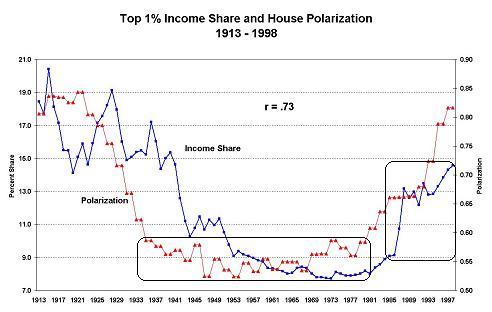
| John Edwards is starting to find his voice to pushback against the media narrative about him. Check out this clip: On related notes, over at Fire Dog Lake, Christy provides a round-up of the Edwards Poverty tour. Also, I think Political Insider is right that Edwards should rephrase this line in a more Clintonian manner. When Bill Clinton fought back against the "character" slime sent in his direction, he said "if you stick with me, I'll stick with you until the last dog dies." Right now, Edwards is saying "[t]hey will never silence me." Probably rhetorically better for all Democrats who are attacked in this way to keep the focus on the voters, because these attacks are just as much an attack on those who support Clinton or Edwards as they are on whichever Democratic candidate is being frivolously slimed at any given moment As for the substance of the Edwards claim that powerful forces are trying to silence him for talking about things like poverty and universal health care, just like the Clinton charge before it, I think there is some real truth to it. Frivolous character debates are damaging to progressives, because negative attacks increase polarization, focus on such matters tends to lower voter turnout, and when you are talking about things like swimsuits and haircuts you are not talking about issues like poverty and health care. In fact, reducing voter turnout and increasing political polarization are, in and of themselves, means by which conservatives have successfully pushed their agenda even when they do not win elections. Polarization in Congress tends to result in gridlock, meaning that government less capable of being active. Lower voter turnout, especially among lower income groups, means that members of Congress are less responsive to the needs of lower voter income groups. The resulting impact on income equity in the United States can be clearly documented: |
Using NOMINATE (a quantitative procedure that, like interest group ratings, scores politicians on the basis of their roll call voting records) to measure polarization in Congress and public opinion, census data and Federal Election Commission finance records to measure polarization among the public, the authors find that polarization and income inequality fell in tandem from 1913 to 1957 and rose together dramatically from 1977 on; they trace a parallel rise in immigration beginning in the 1970s. They show that Republicans have moved right, away from redistributive policies that would reduce income inequality. Immigration, meanwhile, has facilitated the move to the right: non-citizens, a larger share of the population and disproportionately poor, cannot vote; thus there is less political pressure from the bottom for redistribution than there is from the top against it. In "the choreography of American politics" inequality feeds directly into political polarization, and polarization in turn creates policies that further increase inequality.
|